Find Your PASSENGERS


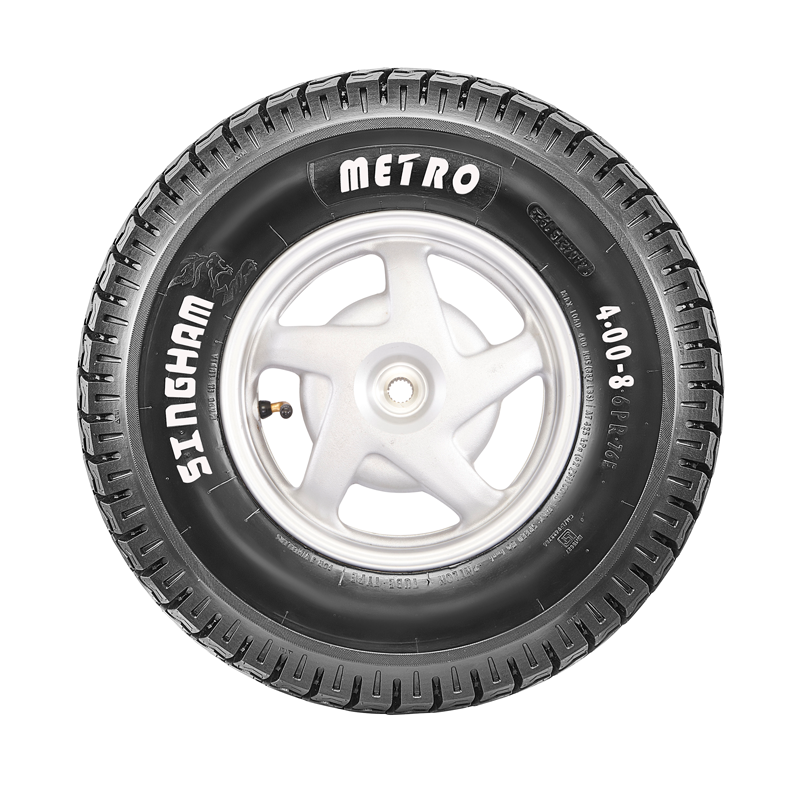
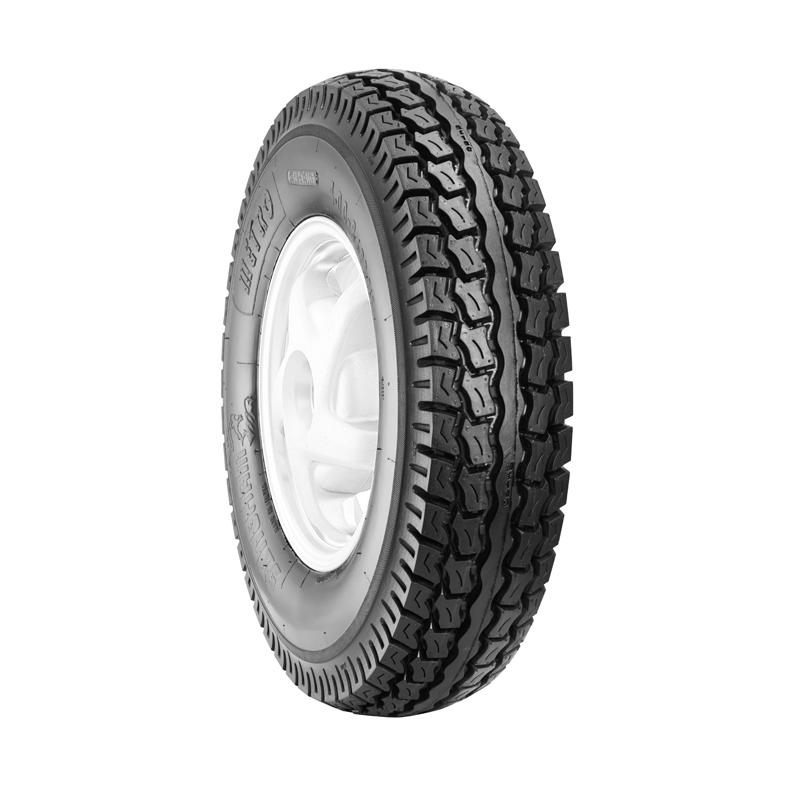
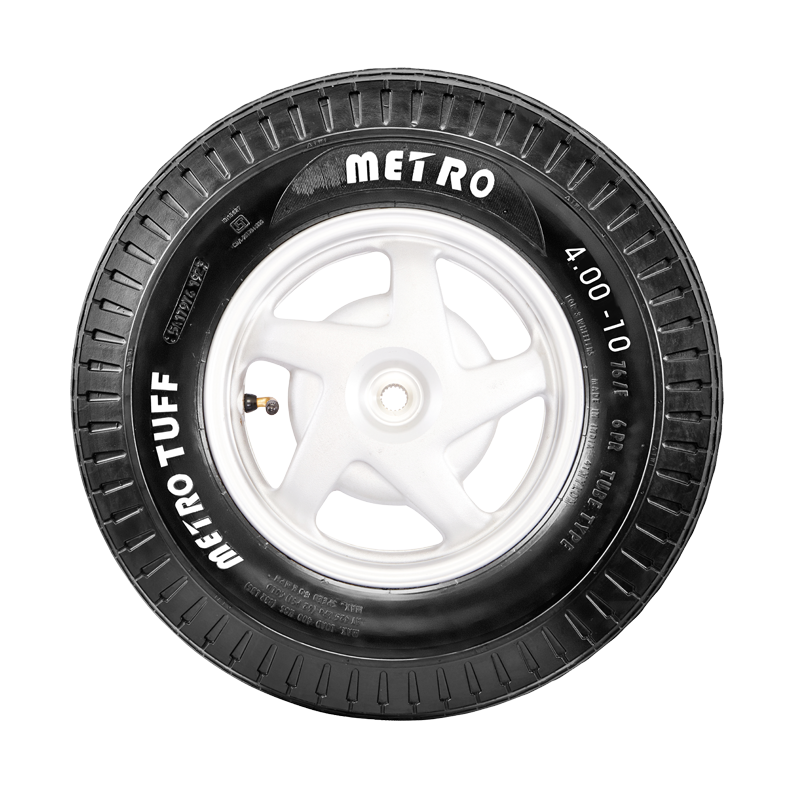
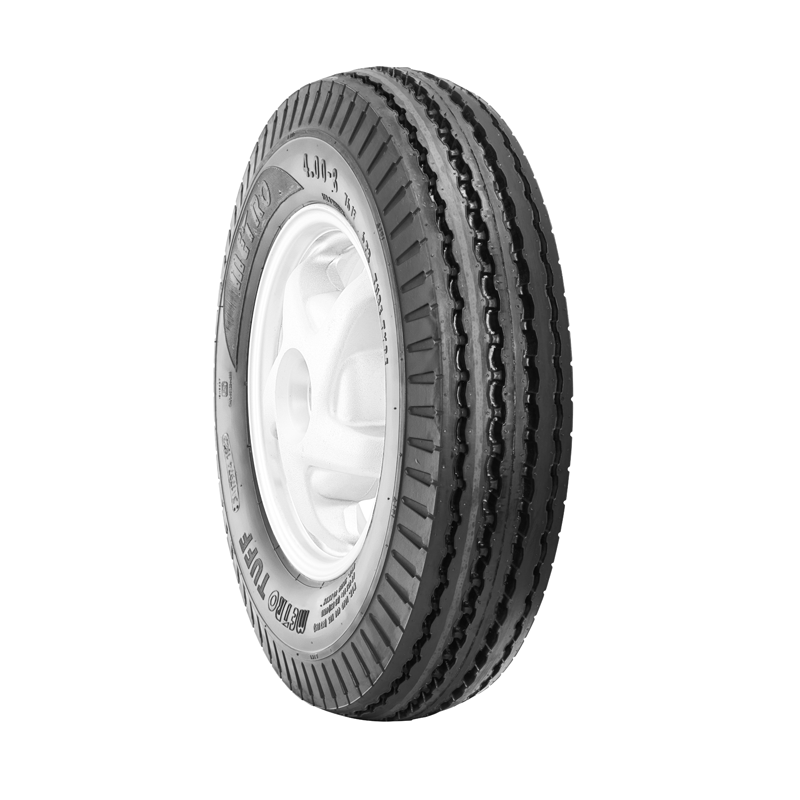
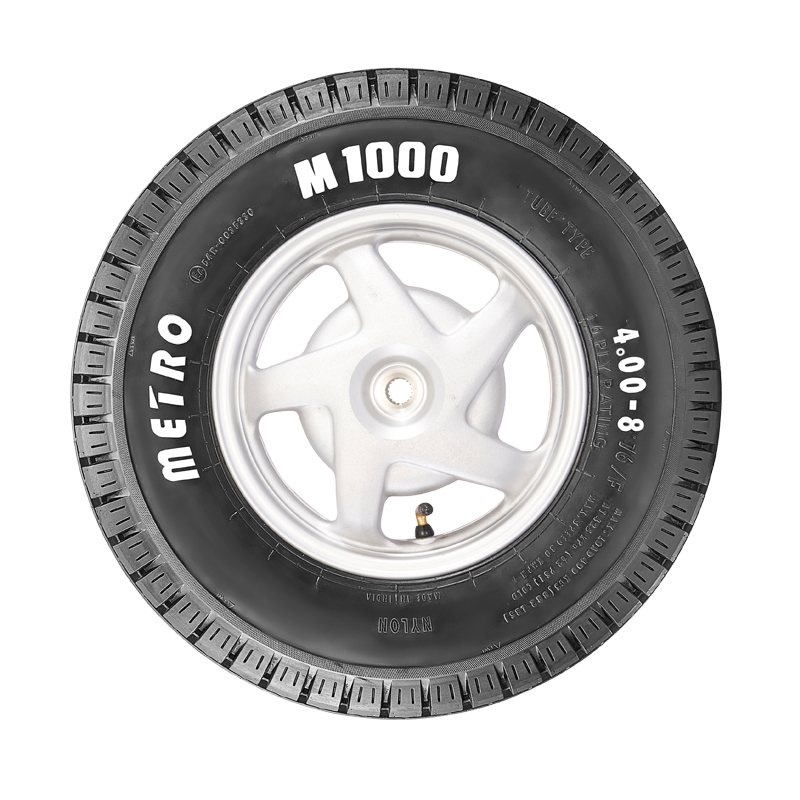
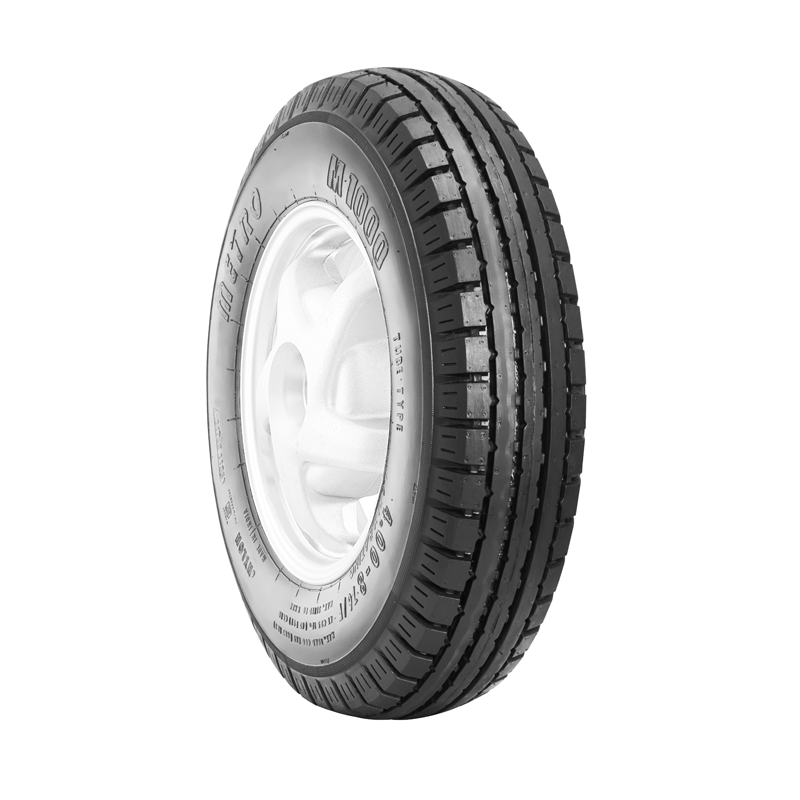
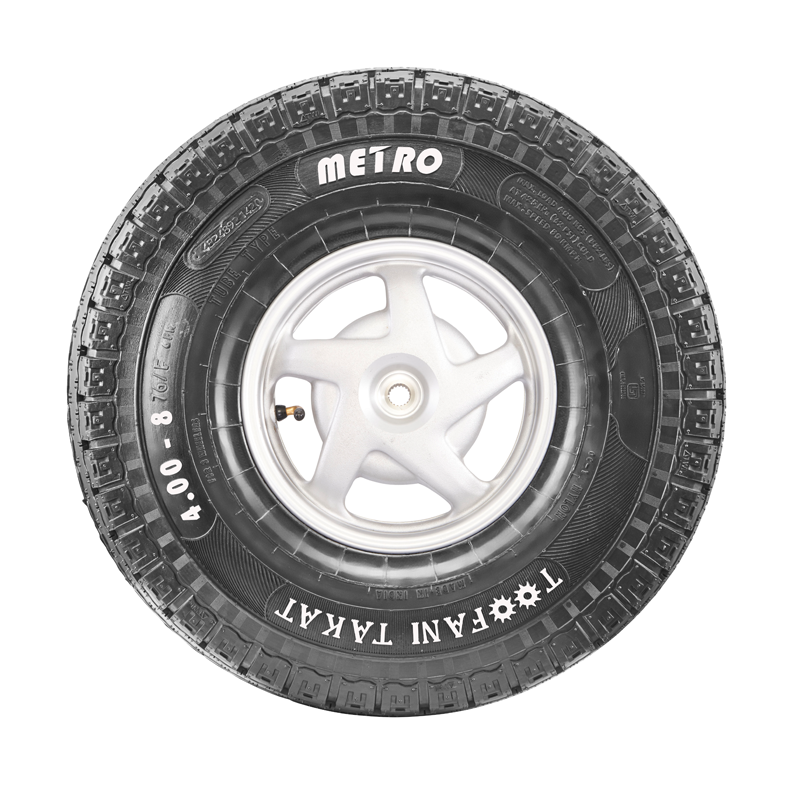
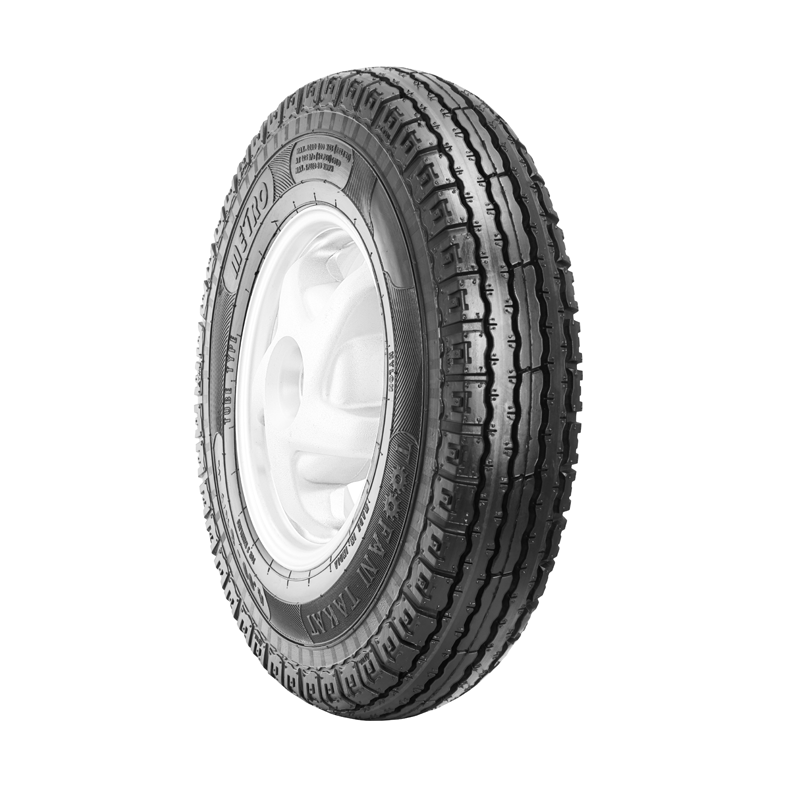
Revolutionizing green mobility, we manufacture high-performance E Rickshaw tyre using cutting-edge technology. These tyres can handle big loads on all types of road conditions while transporting people or even freight. Each tyre features low rolling resistance that ensures more mileage per charge, and a special tread compound that capacitates the tyres to withstand instant initial torque. We have a wide range of E Rickshaw tyre sizes that fit your requirements.

Smart tyres for smart buyers
Quality, Durability, Dependability
For Hassle-free, Joyful Rides
FROM OUR EXPERTS
Metro Tyres Supports YDF’s May T1D Camp
Metro Tyres Supports Holistic Healthcare Initiative at YDF T1D Camp
Metro Tyres at Taipei Cycle 2026: Driving the Future of Sustainable Mobility
Metro Tyres Supports Inclusive Initiative for Visually Impaired Children
Holi Celebration at YDF T1DM Camp 2026
METROMAN – Gaining Trust through Dependability, Performance and Consistency
FAQS
Have questions related to Metro Tyres?
It's not recommended to mix different tyre brands or types on the same vehicle. For optimal performance and safety, it's best to use a matching set of tyres.
It depends on your tyre mileage. Replace tyres when the tread depth is below 2/32 of an inch, or if you notice signs of uneven wear, bulges, or damage. Also, replace tyres that are more than six years old, regardless of tread depth. Make sure you get the best mileage tyres.
Tyres should be rotated every 6,000 to 8,000 Kms or as recommended by the vehicle manufacturer. Rotation helps ensure even wear and extends tyre life.
The lifespan of tyres varies based on factors like driving conditions, maintenance, tyre performance, and quality. On average, tyres last about 25,000 to 50,000 Kms.
The recommended tyre pressure is specified by the vehicle manufacturer and can be found in the owner's manual or on a label inside the driver's door. Proper tyre pressure is crucial for safety and performance and you can also see it on tyre sidewall.
All-season tyres are designed for varied weather conditions, while summer tyres provide optimal performance in dry and wet conditions. All-season tyres are suitable for mild climates, while summer tyres are best for warmer seasons.
Under-inflated tyres increase rolling resistance, reducing fuel efficiency. Keeping tyres properly inflated can help improve gas mileage.
Tread patterns affect traction, handling, and noise. Different patterns are designed for specific road conditions, such as all-season, winter, or off-road driving.
Nitrogen is less prone to temperature-related pressure changes than regular air. While nitrogen can provide more stable tyre pressure, the benefits may not be significant for regular driving.
Regularly check and maintain proper tyre pressure, rotate tyres, align your vehicle, and drive responsibly to avoid sudden stops and sharp turns.